
Exploring cultural perspectives on gambling How beliefs shape behavior
Understanding Gambling through Cultural Lenses
Gambling is a complex activity influenced by various cultural beliefs and norms. In some cultures, gambling is viewed as a form of entertainment and community bonding, while in others, it may be seen as a vice that leads to social problems. For instance, in many Western societies, casinos are widely accepted and integrated into the entertainment landscape, portraying a sense of excitement and thrill. This acceptance shapes individuals’ behaviors, as they feel more inclined to participate in gambling activities without the stigma that may accompany such actions in other cultures. Discovering how to play the aviator game can be a thrilling experience for many new players, who often seek fun alongside their betting endeavors.
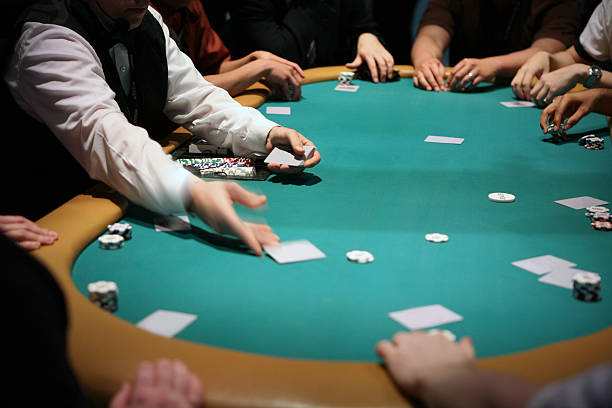
Conversely, in cultures where gambling is frowned upon, individuals may experience internal conflict when engaging in such activities. In these societies, gambling can be associated with moral failing or lack of discipline, leading to a more cautious approach to gaming. This disparity creates a fascinating dynamic in how different groups approach risk and chance, further influencing gambling behavior and participation rates among various populations.
Moreover, cultural festivals and traditions often incorporate elements of chance and luck, blending gambling with cultural expressions. For instance, in some Asian cultures, games of chance during festivals symbolize prosperity and fortune. The beliefs surrounding these practices can enhance individuals’ willingness to gamble, as they perceive it as not just a game but a connection to their heritage and community values. This nuanced perspective on gambling reflects broader societal attitudes toward risk and reward.
The Influence of Religious Beliefs on Gambling
Religious beliefs play a significant role in shaping attitudes toward gambling. In many religious contexts, gambling is discouraged or outright prohibited. For instance, in Islam, gambling is considered haram, or forbidden, which profoundly influences the behavior of adherents. Muslims are taught to seek fortune through hard work and ethical practices rather than relying on luck or chance. This religious stance leads to a stark contrast in gambling participation rates among Muslim populations compared to those in secular contexts.
In contrast, certain religious beliefs may promote gambling as a means to raise funds for charitable causes. Some Christian communities, for example, host bingo nights as a way to foster community spirit and support church activities. This blending of gambling with charity illustrates how religious interpretation can impact the acceptability and perceived morality of gambling practices within specific cultural contexts. Such distinctions highlight the complexity of gambling behaviors influenced by spiritual values.
Ultimately, the intersection of religion and gambling sheds light on the varying degrees of acceptance and participation across different societies. Understanding these influences can provide insight into why some cultures celebrate gambling while others denounce it. This divergence significantly shapes individual behaviors and societal norms surrounding gambling practices and reinforces the need for culturally sensitive approaches to gambling discussions.
The Psychological Impact of Cultural Beliefs
Cultural beliefs directly impact individuals’ psychological approaches to gambling. In cultures where gambling is normalized, individuals may develop a more positive attitude toward risks, seeing them as opportunities rather than threats. This perspective fosters a sense of adventure and excitement, encouraging more frequent participation in gambling activities. Psychological theories, such as the theory of planned behavior, suggest that individuals’ intentions to gamble are influenced significantly by their cultural context, shaping their actual behavior.
On the other hand, in cultures that stigmatize gambling, individuals may experience feelings of guilt or shame when they engage in such activities. This internal conflict can lead to anxiety and stress, resulting in a more cautious approach to gambling, even in environments where opportunities are presented. The psychological weight of societal judgment can deter participation, showcasing how deeply ingrained cultural beliefs impact individual decisions and behaviors related to gambling.
Furthermore, the psychological allure of gambling can be seen in the narratives constructed around it. Stories of big wins and success fuel individuals’ desires to participate, often overshadowing the realities of loss and addiction. In cultures where these narratives are prevalent, gambling is often romanticized, further enticing individuals to take risks. This dynamic interplay between psychological perceptions and cultural narratives significantly shapes gambling behavior, illustrating the need to consider psychological factors alongside cultural beliefs.
The Role of Education and Awareness
Education plays a critical role in shaping cultural perspectives on gambling. In cultures where gambling is more accepted, educational programs often focus on responsible gaming practices, helping individuals navigate the complexities of gambling behavior. These programs aim to provide knowledge about odds, strategies, and the importance of self-regulation, fostering a more informed approach to gambling. This awareness can lead to healthier gambling habits and reduce the potential for addiction.
Conversely, in cultures with restrictive views on gambling, educational efforts may focus on the negative aspects, portraying gambling as a gateway to addiction and social decay. While these messages are intended to deter gambling behavior, they can also create a lack of understanding about responsible gambling practices. This disconnect can lead to misguided perceptions and increased fear surrounding gambling, illustrating the need for a balanced approach to education that promotes healthy habits while acknowledging cultural sensitivities.
Moreover, educational campaigns tailored to specific cultural contexts can enhance their effectiveness. By understanding the beliefs and values of different communities, educators can create materials that resonate with individuals, encouraging open discussions about gambling. This culturally sensitive education is essential for fostering a more nuanced understanding of gambling and its implications, ultimately promoting healthier behaviors across diverse populations.

Conclusion: The Intersection of Culture and Gambling
Exploring the cultural perspectives on gambling reveals the profound impact beliefs have on behavior. From religious influences to societal norms, these perspectives shape how individuals approach risk, chance, and their own financial decisions. Understanding these cultural dimensions is crucial for addressing gambling-related issues and promoting responsible gaming practices. By acknowledging the diversity of beliefs surrounding gambling, we can better support individuals in navigating their choices.
As the landscape of gambling continues to evolve, especially with the rise of online gaming platforms, cultural perspectives will remain vital in shaping the future of gambling practices. The interplay between tradition and modernity will influence how individuals engage with gambling activities, creating a rich tapestry of behaviors and attitudes. Continued research and dialogue will be necessary to understand these dynamics fully, paving the way for more inclusive approaches to gambling in various cultural contexts.